[/box]
Course Overview
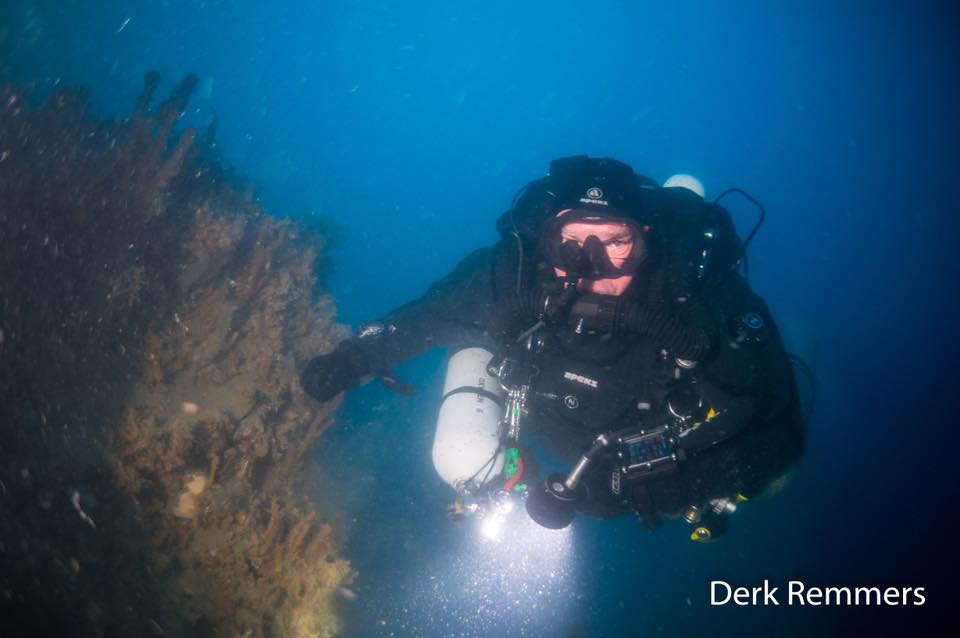
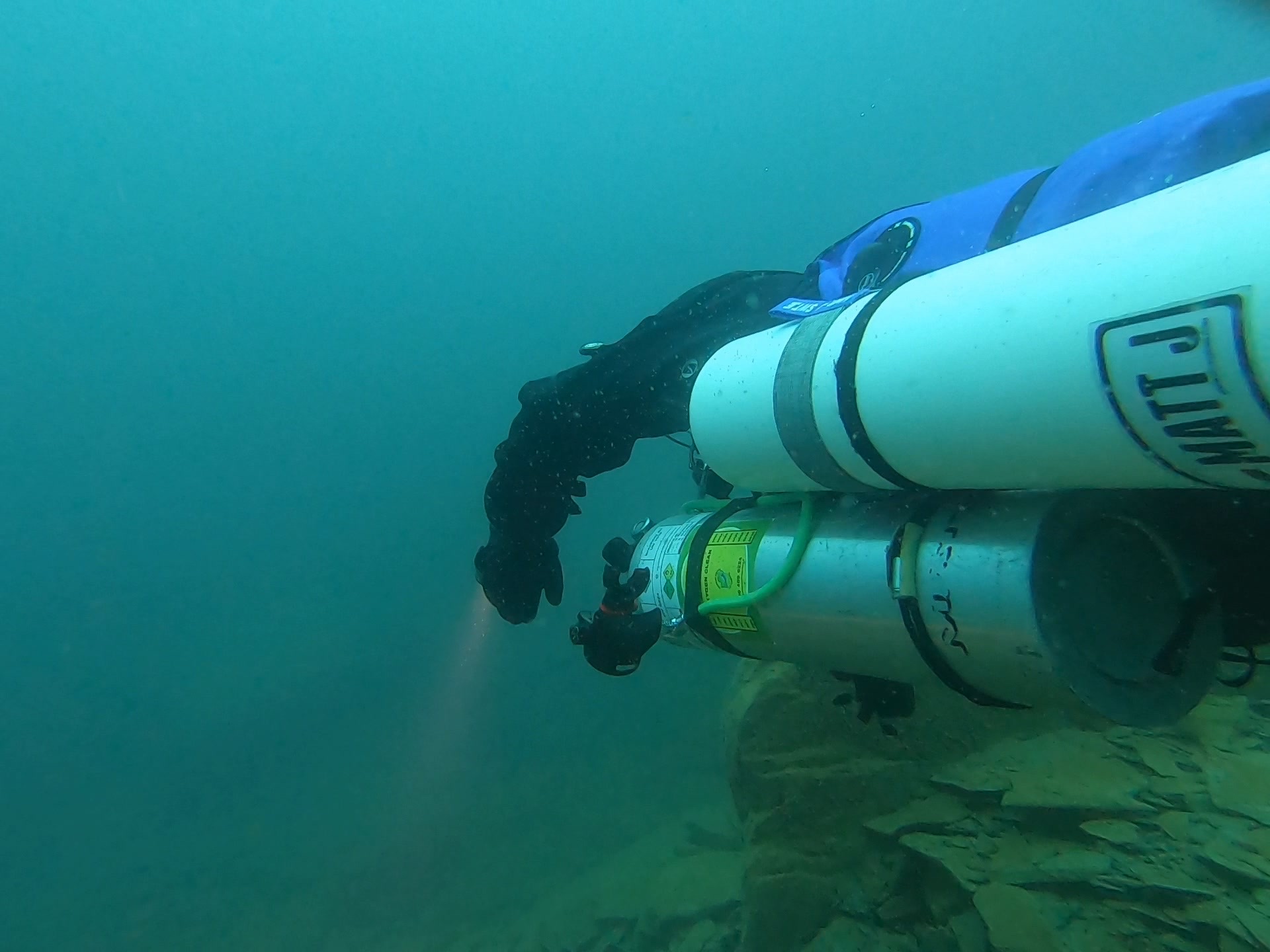
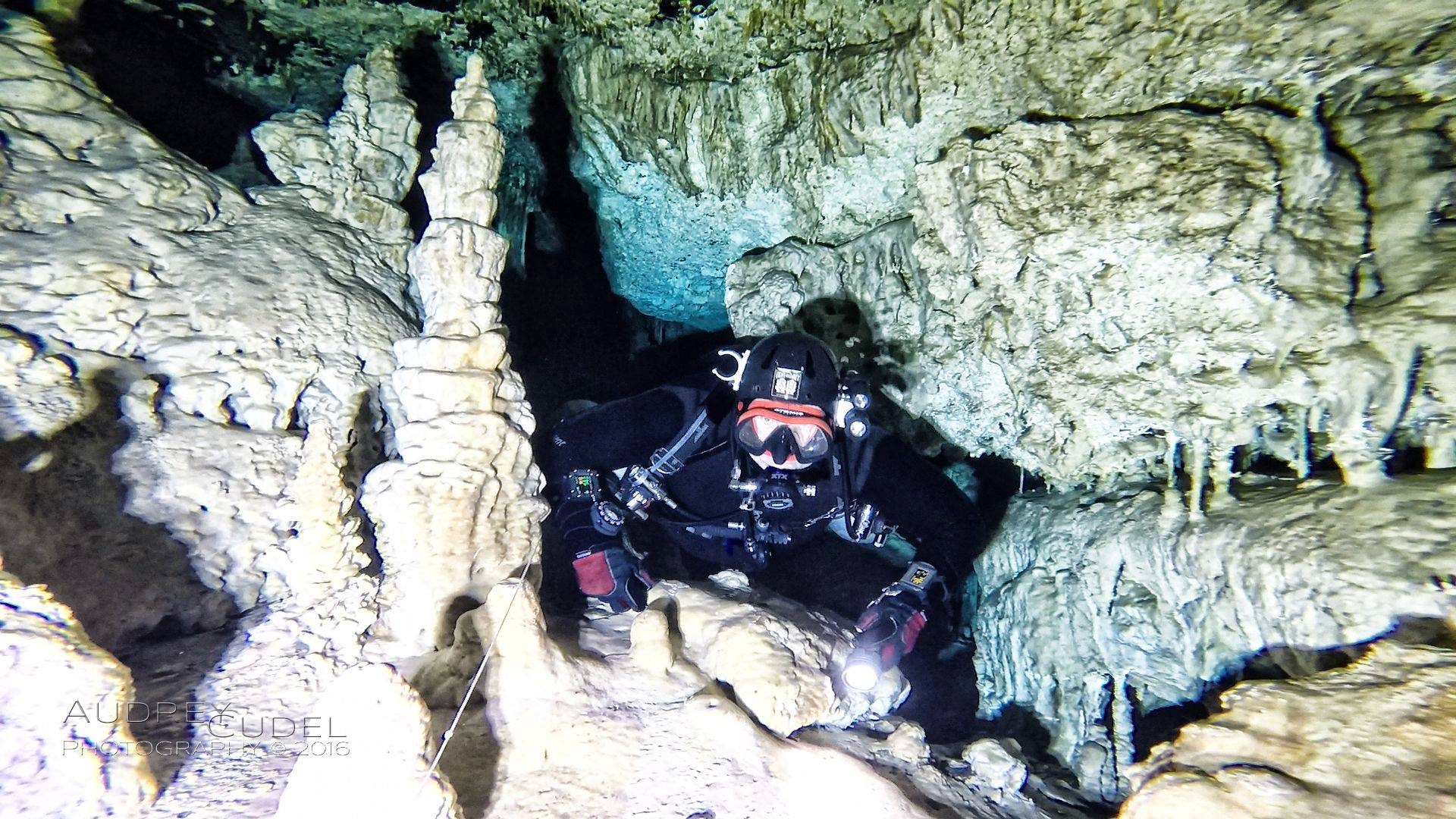
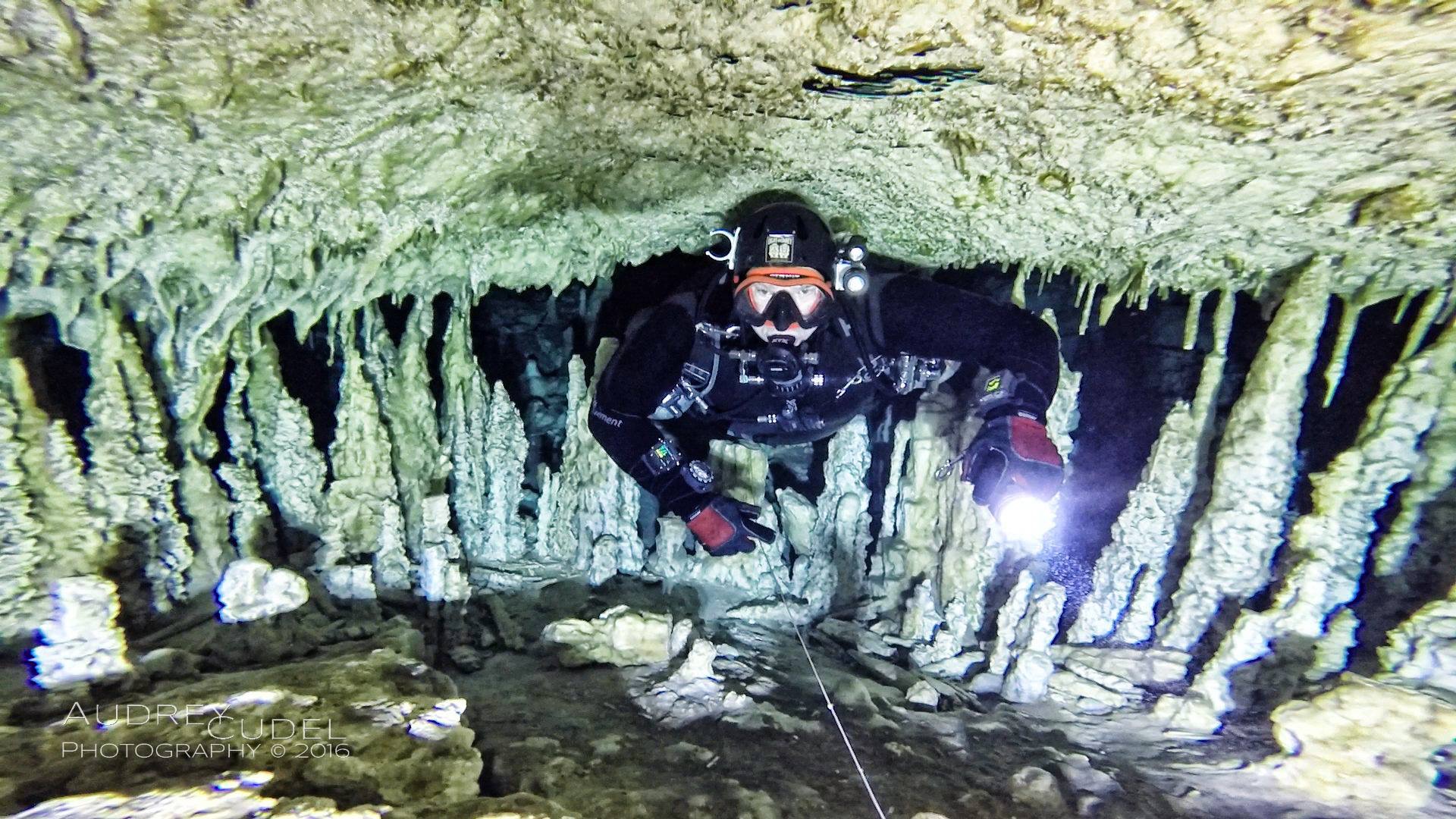
Over five days and a minimum of seven dives with 420 minute of bottom time you will learn about the theory, skills and practical methods of carrying out safe staged decompression dives, using up to 20% Helium and no less than 21% Oxygen in your diluent gas in dives up to 45m deep. What’s Involved
There will be at least 7 dives and you will build on diving skills and knowledge to date. You will learn about dive planning, equipment considerations and develop buoyancy, trim and teamwork skills to safely carry out planned decompression diving using helium to reduce narcosis and enhance dive pleasure and safety. Course Skills
Buoyancy and trim, propulsion techniques, loop
control, stage set-up and rigging, gas management,
thinking like a ccr diver, handling emergencies and
failures. Setup and maintenance of the unit
Loop volume management, Calibration of electronics
Emergency procedures, buoyancy control,
CNS tracking, Decompression planning Why Do the Course?
This course will suit CCR divers who want the benefits of a clear head and recued gas density on deeper and longer dives. It opens up longer and safer deep dives whilst adding additional knowledge and skills to your CCR diving. It prepares you to take further technical training such as trimix diving or overhead courses such as cave or advanced wreck. What’s Included
The course fee covers instructional time, manual, use of facilities including pool. Students are expected to pay any gas, boat costs and accomodation costs required to complete the course but we do have packages available. Only after the successful completion of the course do you pay your certification fee – “you pay for training – you earn the certification” What You Need
Normal dive kit plus a CCR with trimix unlocked with cells in date and kept properly serviced and maintained.
[button link=”https://lightsteelblue-seal-865643.hostingersite.com/rebreather-courses/” type=”small”] Back to Main Menue[/button]
[/et_pb_text][et_pb_cta admin_label=”Call To Action” title=”I WANT TO DO THIS” button_url=”https://lightsteelblue-seal-865643.hostingersite.com/book-now/” url_new_window=”on” button_text=”BOOK NOW” use_background_color=”on” background_color=”#1e73be” background_layout=”dark” text_orientation=”center” header_font_size=”26″ body_font_size=”14″ use_border_color=”off” border_color=”#ffffff” border_style=”solid” custom_button=”off” button_text_size=”20″ button_border_width=”2″ button_border_radius=”3″ button_letter_spacing=”0″ button_use_icon=”default” button_icon_placement=”right” button_on_hover=”on” button_border_radius_hover=”3″ button_letter_spacing_hover=”0″] [/et_pb_cta][/et_pb_column][et_pb_column type=”1_3″][et_pb_image admin_label=”Image” src=”https://lightsteelblue-seal-865643.hostingersite.com/wp-content/uploads/2015/12/logo_home.png” show_in_lightbox=”off” url_new_window=”off” animation=”left” sticky=”off” align=”left” force_fullwidth=”off” always_center_on_mobile=”on” use_border_color=”off” border_color=”#ffffff” border_style=”solid”] [/et_pb_image][et_pb_text admin_label=”Text” background_layout=”light” text_orientation=”left” use_border_color=”off” border_color=”#ffffff” border_style=”solid”]
Prerequisites
Be a minimum age of 18 years
Hold a certification of TDI Advanced Nitrox and Decompression Procedures Diver or equivalent
have a minimum of 50 logged open water dives
OR
hold a TDI Air Diluent CCR Diver certification or equivalent
have a minimum of 30 hours on the CCR unit with 6 months CCR diving experience Student to Instructor Ratio
3:1 (maximum) No. Sessions
2 x theory; practical kit setup session; 7 x open water dives Equipment
On joining we will send you a kit list, full kit can be rented for the course Related Courses
Advanced Wreck
Normoxic Trimix
Technical rescue and safety
[/et_pb_text][et_pb_testimonial admin_label=”Testimonial” author=”Peter, Belfast” job_title=”Tec Diver” url_new_window=”off” quote_icon=”on” use_background_color=”on” background_color=”#f5f5f5″ background_layout=”light” text_orientation=”left” use_border_color=”off” border_color=”#ffffff” border_style=”solid”]
Matt is a fantastic coach , very patient and knowledgeable beyond what was needed which was a great reference for further learning and next steps . I am glad that I chose South West Tech and can’t wait to carry on my journey with them
[et_pb_section admin_label=”section”][et_pb_row admin_label=”row”][et_pb_column type=”4_4″][et_pb_text admin_label=”Text” background_layout=”light” text_orientation=”left” use_border_color=”off” border_color=”#ffffff” border_style=”solid”]
Thrill Seekers, Explorers or Odds Beaters
A good few years ago now I was a newly minted sports psychologist. I’d done 3 years of supervised experience after my MSc and was looking to get involved as soon as possible applying all that knowledge and theory I’d been studying. One of my first roles was working with a motorcycle racing team, a very interesting setup. I was working with youngsters from 13 and 14 up to senior riders, all of whom were connected through the manufacturer team. The youngsters raced in single make series 125cc and 250cc depending on age, moving into supersport and finally for the talented few, GP.
So, the first meeting with the team I mistakenly went in with a few assumptions, classically making an ass of me if not u….. (Ass-u-me;) one of which was I’d have to deal with issues about the dangers, the speed, the risk. Perhaps having to manage concentration blips caused by mental high jumps (cognitive intrusions in psych parlance), after a moment of control loss, a competitor running them wide etc. Nothing could have been further from reality. The same false assumptions are often made when people find out I cave dive or engage in deep technical diving. I am looked upon as an adrenaline junky or thrill seeker. When I tell them I love diving with sharks, then the person I’m telling shows their idiot meter goes through the roof. At that point although I try to explain, any attempt to show how much care I take to be safe, merely looks like I’m either a fool who doesn’t get the risks the uninitiated clearly know better than me, or I’m a hero in rubber and latex…. Hmm…
Anyway, my experience to date in training with and diving with some of the worlds pre-eminent cave and technical divers has shown me huge parallels with the motorcycle and rally drivers with whom I worked. None of them are thrill seekers, in fact the opposite. This does not mean they ignore or blank out the risks either. They coldly and calmly assess the risk, they formulate strategies and responses to respond to and deal with these risks and, satisfied they have been managed, the conscious and subconscious minds are free to focus on the objective…. Accomplishing a successful dive mission or winning a race. Interestingly rally has a great saying, to finish first, first finish! The same in diving, to have a successful dive, finish alive!
So want does drive technical and cave divers to set and pursue their goals. Well for some it’s clearly the challenge of exploring their personal limits. In any field of human endeavour, this is a great driver and motivator. I see these guys as students, working their way up through the levels until they hit the outer edges of certification programmes, but then after a couple of years or less, they drop out, or fall back… Job done, goal achieved.
For others it’s about the love of what they get to be, the element of uniqueness and individuality involved in being in that level of the sport, the passion to be an individual, to be excellent, in a society that these days seems to pander to the average or worse, the lowest common denominator… Thanks McDonalds, we know the coffee is hot, if it wasn’t I’d ask for a refund, but because one moron burnt a lip, every cup carries a warning! I can empathise with this driver, it is a boost to the self esteem to be a little bit different, to be unique, to be part of a small and select group.
For many, it’s the Everest story “it’s because it’s there”. That feeling of discovering a new wreck, of exploring a virgin cave and laying new line, cannot be beaten for some. Hardships will be suffered, the edge of acceptable risk will be pushed and sometimes exceeded, but the first human to set foot on a ship since it sank over 100 years ago or to ever see a new cave passage or rock formation, will be the reward that pays back again and again.
It’s not a question of whether this rewards or satisfies the ego, for some it’s all about the task and the process. Both ego and task work well as positive drivers. A person who is both highly ego driven and highly task driven is the most likely to succeed, in fact it’s a key predictor of talent in sport and business and indeed in diving.
There is also a huge satisfaction to be gained in simply beating the odds. For some this is exultation, for others relief. Depends on whether part of your motivational make up is linked to a need to achieve or a fear of failure. For me, when I played rugby, winning was a relief first and foremost. A vindication of the training, the preparation and the hard work. After that was the celebration. I feel the same coming out of a deep dive or cave. A relieved satisfaction at having managed the odds, then I can enjoy the ‘success’ of the dive.
Conversely the things that cause the greatest stresses are dealing with sponsors, the travel and strange hotel rooms, the legal and insurance issues. Family and friends. That’s where the real work as a psychologist is done, making sure none of that interferes with concentrating on the task in hand.
Whatever reason you dive for, whether because it’s there, or because you like to be individual, or because you like to coldly and calculatedly beat the odds. Good on you, dive safe. Stay away from the thrill seekers. Oh, and those of you said they dive to get some peace and quiet from the spouse, I can only assume the spouse doesn’t read your Facebook feed, else the odds would have been well and truly beaten by now.
Stay safe, stay focussed.
[/et_pb_text][/et_pb_column][/et_pb_row][/et_pb_section]
[et_pb_section admin_label=”section”][et_pb_row admin_label=”row”][et_pb_column type=”4_4″][et_pb_text admin_label=”Text” background_layout=”light” text_orientation=”left” use_border_color=”off” border_color=”#ffffff” border_style=”solid”]
Last week I was working on the day job. 3 days in Heathrow working with a group of very talented executives who run a successful multinational company. My role was to enhance conversations, guide and challenge on strategy development and to get the board working as a cohesive team on issues that challenge both themselves and the company.
One particular issue in the company recently has occupied the attention of the executive. Interestingly it impacted heavily on the strategy discussions, introducing a bias in the importance on one particular element. As a result we set up a short team exercise, a simple task in appearance, but actually difficult in practice and challenged the team to solve it. Off they went. Now this team has a good balance of thinking styles and approaches. 10 minutes of discussion and experimentation ought to have revealed the answer, and in fact did exactly that later on. However, immediately on being challenged with the task, the team fell into a common trap that catches many divers and dive teams as well. Task Fixation.
Because the answer appeared simple, they failed to plan and failed to communicate, so the first attempt failed. This brought in a realisation that there was a more significant challenge here. Communication improved dramatically, but the team was co-operating now, but still not being cohesive. A couple of team members came up with a couple of ideas, good ideas and the team went for them, without challenge! This is not the way a high performance team operates. It uses the skills and approaches of each member to challenge and deconstruct ideas so that by the time the implementation is due, the expertise of the group has ensured that the most likely solution is achieved.
In diving we need to think carefully about the composition and the skills of our dive team. A future article here for sure. Once we have a cohesive team then that team needs to plan for every conceivable eventuality. Rehearse the plans, practice the skills and communications then if the pre-conceived incident occurs, roll out the response. This relies upon recognition of the cues that reveal a situation is emerging, easily missed if we over fixate on a task. This is not too complex to solve though, just a question of developing some scanning techniques. Where task fixation becomes really problematic is when we don’t recognise the need to adjust and change on the fly. The critical cues that warn us our broader attention is needed can be missed. For example, cell readings start to adjust at different rates to depth changes. Bubbles start moving sideways signalling a current pick up. We miss a backup computer failure.
I was reading some of Bernie Chowdurys accounts of dives on the Andrea Doria. The times he and other very experienced wreck divers had incidents were all down to narrowing of the focus, usually on collection of artefacts. Pushing penetrations to find the 1st class crockery. One incident on recovering plates resulted in an exit being lost due to silt stirred up by bagging the China. Easy as we sit here now to realise of course this would have happened. Very different when at 60m plus in a small locker inside the wreck when the plates are piled high.
Now, we need to concentrate to do well, so fixing on a task is good to ensure its efficient and timely execution, but this needs us to place trust in teammates. So the team need to take up the scanning, looking for cues as to what the environment will throw at us next. If we don’t have the team, then we need to take personal responsibility for adopting a consistent scanning strategy. This needs to be relevant, so rehearse it. Make a list, pop it in the wet notes, what do we need to check on the dive? Gas, time depth, PO2 for sure. Navigation, current, temperature, guideline integrity, overhead safety – pretty easy. What else though. Awareness of other divers – all good. The simplest and easiest check though is…
How long have I been doing what I’m doing?
Is that part of the plan?
Have I been aware of the passage of time and is that relevant to the depth I’m at?
This is simply the fastest way of checking to see if you are task fixated. When we invest our concentration into a task we can easily fall into the concept of flow, where time ceases to have meaning. For example, how many times have you done something (driven home, finished a project) that you think took a few minutes but all of a sudden its two hours later. Flow, if you’re in a safe environment is awesome. If your executing skills it’s tremendous. But if you’re in a fluid, changing and hazardous environment then flow can be a killer. Never be surprised when you check your computer for runtime.
Next time your teammate pulls on your fin or flashes you a light, don’t forget to thank them for ensuring you stay aware, they’re making sure you stay alive .
Dive smart, dive aware, dive safe.
[/et_pb_text][/et_pb_column][/et_pb_row][/et_pb_section]
[et_pb_section admin_label=”section”][et_pb_row admin_label=”row”][et_pb_column type=”4_4″][et_pb_text admin_label=”Text” background_layout=”light” text_orientation=”left” use_border_color=”off” border_color=”#ffffff” border_style=”solid”]
Coping with Embarrassment – The things tech divers have to do……
Now, most people’s impression of technical divers is adrenaline fuelled, risk taking dive ninjas, dressed in black, talking PO2’s, Equivalent Narcotic Depths and CNS percentages. We even build a bit of an image of being a bit rock and roll, or a bit sci fi… Welcome to the Dark Side etc. We cultivate this imagery because frankly the reality is way too embarrassing. If we actually had to own up to the indignities we suffer in and out of the water, we might not get so many recruits! The whistle though, is about to be blown!
Firstly we usually have at least 6 pharmacies we can visit to buy essential supplies separately. This is because the list in its own right, Baby Powder, KY Jelly, Adult Nappies / Diapers, Catheters, She Wee’s, Hair Depilation Cream and the quantities in which we use them, make it look like we are running a very specialist house of ill repute catering to some pretty weird fetishes.
Outside of the pharmacy the shopping list doesn’t really get any better…. Bungee cord, lines and reels, metal clips, cable ties. It frankly looks as if 50 shades of grey is the book for beginners.
So, as a technical diver what indignities do we suffer and why? What do we actually use all the items on the shopping list for? And, what excuses can we give the shop assistants?
So, firstly, hydration is an important issue in both mental actuity and potentially decompression sickness or DCS. (By the way, DCS doesn’t actually stand for – Deadly Cake Syndrome, as suggested by a recent student of mine while sitting outside Gozo’s best cake shop in Xaghra!). Our longer dive times and the need to be hydrated mean tech divers need a way to urinate during a dive. The two palatable options are a pee valve or an adult nappy. Hence the shopping list. P valves are a nifty bit of technology that allow us to plumb in and wee at our leisure during a dive. This for men means buying catheters or open ended condoms, that unroll down the old chap and are glued at the base. This raises two further issues….
Sizing and pubic hair. Now, no bloke wants to admit he is smaller than the average, but catheters come in at least 5 different sizes and, if it doesn’t fit right you are going to have a wet, briefly warm, then very cold dive and a drive back to base that smells like a cheap nursing home. Account for the cold and potential nerves and most fellas would be better off going down a size. Sadly manufacturers of these devices play a straight(ish) bat and give exact measurements. I suggest they rebrand and start the smallest size with large, going up through extra large, bloody hell and “that will make your eyes water”. Sales will literally rise…….. In the meantime the invention of an incontinent older relative, who is unable to shop for themselves is essential. I suggest carrying a picture of Nigel Farage as no-one will have trouble believing that.
Secondly public hair…. I recently headed out on a trip and not having done a long dive for a few weeks the jungle wasn’t as trimmed as it should have been. I caught some stray hairs in the glue at the start of the dive and was literally crying in my reg and flooding my mask with tears as a result. Taking off the catheter I gave myself a full Hollywood around the base of my best friend and screamed like a 6 year old whose been told Elsa from Frozen was run over by a sled. Hence the need for hair Depilation cream, a good shave, or for the very brave, a trip to the beauty parlour for a waxing. The very dedicated might consider laser treatment. Now, what do you say… Well cream etc is ok, it’s for my wife’s legs….. But be careful, the leg creams are somewhat stronger that the “bikini line” products and a trip to A&E for blistered balls will be even more embarrassing and will likely lead to a psych evaluation. It’s the beauty parlour visit that’s the problem. I suggest claiming that you are going to audition for a porn movie is probably the least mortifying option.
Now, the other option for urination is the adult nappy. It works well, but two pieces of advice.
Firstly, never ask a mate to change you, I guarantee that will be the end of any friendship you may have had, or it will take the friendship places you really didn’t want or expect. Secondly, put it on somewhere no-one can see you, or more importantly, where no one has access to a camera or phone. Whatever you do, buy the adult nappies at a different store to the one you buy the KY jelly at. There is no explanation on earth that won’t have the shop assistants discussing the disgusting pervert that’s just left, very loudly over the lipstick counter while you wait round the corner for your sea sickness pills. I don’t think the Nigel Farage picture will double up for the adult nappies though so I suggest a good image of Ed Milliband, unless larger sizes are needed then Ed Pickles will work well.
Now, as tech divers we do have a fairly well publicised latex and rubber fetish. Latex, Silicone, rubber and neoprene work great on Drysuits, wetsuits etc but need care, maintenance and to get on and off either a wet or dry lubricant such as baby powder and / or KY Jelly. This is why we need a broad source of suppliers. Buying adult nappies, KY Jelly and Baby Powder in the same store will lead to suppressed giggles, outright laughter or disgust, or, worse case scenario, a request for a phone number and cost per hour! Of course it may for some be a way of defraying the costs of meeting our diving kit obsession needs and a few hours in a latex suit for a new reg is for some a small price to pay.
Talking of kit obsession, as Christian Grey himself might have said, one can never have too many cable ties or rolls of duct tape. Whilst our uses as tech divers for these products are more esoteric, running repairs, stage cylinder band retainers, cylinder content marking…. getting knocked down on your way home with one bag of KY jelly, adult nappies and hair depilation cream and another bag full of various thickness bungee cords, 3 rolls of black duct tape and assorted cable ties will have the police photographers pension secured, a double page spread in the Daily Star and the hospital staff in the hazmat anti infection suits double quick.
Add in the selection of dog lead type stainless steel metal clips (we call them bolt snaps and double enders, purely to avoid confusion of course!), cylinder cam bands and jubilee clips, plus the various sizes of reel with bits of cave line or for the exploration cave divers 5mm or 7mm nylon rope, well, any doubts about our perversities will be well and truly removed. Luckily we can buy most of these products in our local dive store or online, only needing to ensure the plain brown bag in which these are to be wrapped is not going to break in public.
It would be nice if perhaps we could carry our diver cards as proof that we are in fact normal well adjusted people who happen to enjoy a sport that has some proclivities that can easily be misjudged. Sadly that’s not the case for two reasons.
The public including the majority of recreational divers really doesn’t understand the challenges and embarrassment we face and secondly….
2. Most tech divers I know are in fact sexual deviants of the worst kind…. You know who you are……
[/et_pb_text][/et_pb_column][/et_pb_row][/et_pb_section]
[et_pb_section admin_label=”section”][et_pb_row admin_label=”row”][et_pb_column type=”4_4″][et_pb_text admin_label=”Text” background_layout=”light” text_orientation=”left” use_border_color=”off” border_color=”#ffffff” border_style=”solid”]
The Role of Ego in technical (and recreational) diving
I read a blog recently that suggested our egos could be responsible for many of the casualties that technical diving regrettably suffers. Sadly my comments on this blog never made it past the moderator. As a scientist and psychologist I am somewhat protective of terminology used to describe human thought, emotion and behaviour, and the author of this blog fell into a common trap in how they described ego.
Ego simply refers to self and how we feel about ourselves. This results in our thoughts, emotions and behaviour. Where an ego is arrogant, overbearing, misguided or delusional then bad things can and often do happen. However having a big ego isn’t, without a skewed view as above, going to cause any problems, in fact quite the opposite. Let me explain.
Psychological research used to place ego and task focus on a continum, generally to describe motivational style. Educational psychologists as late as the last decade, which is when most diving education systems were thought up, ‘proved’ that in educational settings a task focus was more beneficial. Learners were more motivated by task satisfaction and clarity than by internal or external ego boosting rewards (money, status, etc). The flaw in much of this research is that learners were classified as being either task or ego focussed, there was no delineation of people who were high in both task and ego focus, or in fact low in both and not at all motivated.
My own research and practice, backed by some very good recent research, shows that true high performers in any field are highly motivated by both task and ego focus. Not just to learn but to achieve, or to avoid failure and to maximise their potential. I’m quite sure in work and in diving we can easily describe people we see as being highly motivated and equally people who cannot be motivated even by a good old fashioned kick in the ass!
Now, there’s a kicker….. Both task and ego focus can be internally directed or externally directed. External ego driven people like status, recognition and reward and will enjoy and revel in compliments etc. Internal ego driven people often don’t mind these things, but would not seek them out, their own judgement of self being far more important to the influence on their ego. Evidence used by both internal and externally driven people would be wins v losses, feedback or reflection on skills performed, dives achieved etc.
The bigger the ego, internal or external the better, the higher the level of task focus the better. Having both, awesome. So why did the original blogs author get it wrong….. Because they confused ego with arrogance, ego with overconfidence, ego with a lack of honest appraisal on ones own skills and abilities.
I work a lot with elite and consistently high performing sports and business people. All have high levels of ego or task focus. About a third have a high need to achieve, to experience success. The rest, including me are frightened to death of failing, why? Because we have big egos and lots of confidence, well placed as it happens in our ability. Failing would not only not provide the reward our egos need, it would damage our ego and confidence. So, we are detailed and meticulous in ensuring we won’t fail, we work very hard, past the point where others would have given up, in order not to fail. Hardly the approach of arrogant and overconfident divers at high risk of an incident.
So to the blog authors point, which was of massive value. What is it about our attitude as divers that makes us a danger unto ourselves. Simply put its a matter of perception versus reality. The at risk diver perceives or believes they have the skills, training and experience to do dives that are in reality beyond them. This is arrogance not ego. This is overconfidence, not ego. This is pure self delusion or worse peer pressure.
How do we counter this? We get honest feedback or practice honest self appraisal. We seek out multiple sources of evidence to help with this, instructors, team mates, video, benchmark of dive achieved versus dive plan, and so on. We do not get bullshitted by people telling us we are better this we know we are.
Avoiding being distressed and getting into the panic spiral when failures and negative incidents are experienced on a dive relies on a cool and confident head. A strong and big ego, coupled with great task focus will be a huge asset, and will be the most likely thing to keep you alive.
It’s become a bit anti social in some circles to be see as being super confident, to be see to be having a big ego. I think you can be this way without being an asshole, but if not, well, maybe it’s better to be a live asshole over being a dead nice guy with delusions on their abilities.
Dive safe. Dive confident. Dive honest.
[/et_pb_text][/et_pb_column][/et_pb_row][/et_pb_section]
[et_pb_section admin_label=”section”][et_pb_row admin_label=”row”][et_pb_column type=”4_4″][et_pb_text admin_label=”Text” background_layout=”light” text_orientation=”left” use_border_color=”off” border_color=”#ffffff” border_style=”solid”]
Imagery. Part 1. Skill development.
Long delay on this as likes slowed down 🙁 and Christmas got in the way 🙂.
Please get people to like the page and to share posts.
Ok, firstly lets get rid of this visualisation Versus imagery. Visualisation is where we use one sense, vision, to see ourselves performing a skill or action. It can be internal, that is we see ourselves performing the skill as if we were looking out through our own eyes whilst doing it, or it could be external where we see ourselves as if we were on tv, that is we look from the outside in.
Internal is generally the strongest way of rehearsing, learning and building robustness in a skill. But… We all have a natural preference and to start with, until well practiced and trained, it’s better to go with the more natural ability. To find your preference, close your eyes and have someone draw a clock face on your forehead. Then to draw a time. Your first instinct as to the time will either be as if you were looking in from the outside or from the inside out. If it’s looking outwards, then your preference is internal and vice versa.
To really get a skill embedded and to maximise the rehearsal done, then it’s best to bring in more senses than just vision. In a perfect world, sight, touch, hearing, smell, taste etc would also be involved. Where we use multiple or all senses, this is imagery, a richer more complete approach than just visualisation alone. You can probably do some of this easily, for example, imagine the smell of freshly cut grass, try and sense the feel of warm sun on your back or getting into fine cotton sheets. Close your eyes and listen for the sound of the sea.
In order to develop imagery as a skill it’s best to practice first on something you’re really familiar with, but practice using all the senses. Things that could be really familiar, but that have a lot of stimulus could be sitting on a beach, walking in a well known and favourite place, sitting in an armchair at home. Be familiar with what you see, feel, hear, smell and sense by way of temperature etc. You can probably see by this stage that external imagery is not a natural way of experiencing all the senses compared to internal, however if that’s easier to start with, maybe just imagining one or two extra senses at work, then go that way.
Create an imagery script that has a lot of detail in it and that you can run through regularly to practice. You’re not only learning the imagery script this first time, but also how to actually ‘do’ imagery. It’s worth investing time in developing this now, as it will significantly speed up future skill acquisition as well as the effectiveness, quality and robustness of the skill. Elements of the script should be
What can you feel (temperature, textures, materials, comfortable or not)
Where can you feel it, eg sand between the toes, softness of an armchair under your butt!
What can you smell, ozone in the air from fresh rain, the rich leather in the armchair, salty tang of sea spray etc, how strong is the smell
What can you hear? Wind rustling through trees, birds, the creak of the leather in the chair, chatter of people in the distance
What can you see, colours, near, far away, what’s still, what’s moving?
What tastes are in the air, I can certainly taste salt when I’m near the sea, but try and be very aware.
Make sure your script is as detailed as possible and reads easily.
Ok, it’s easier to practice if you use one of the focussing routines from the previous article to get into a nice relaxed frame of mind before you try this out. Try also to find a place where you won’t be disturbed and won’t have many distractions. Turn off phones, email beeps etc.
Once you develop the skills, you’ll find you can exercise them quickly, without the need to relax and in quite distracting environment. For example, look at the pre kicking routines rugby place kickers or golfers use. They are imaging the kick or the shot, for rugby players that could be in a very noisy or hostile environment. Interestingly many kickers will say that total silence is even more off putting, this is because one of their ‘tells’ that they are in the zone using the imagery is that the crowd noise disappears or diminishes.
This is how you will know if the skill is coming on for you. Time will fly by as you practice this skill, any minor distractions will fade into the background and you will find all the sensations and senses become clearer and heightened. As the skill develops try and switch into the routine without doing the pre focusing and relaxation. Then try and introduce small distractions, maybe some music or traffic noise.
For some people a weeks good practice should really get you a long way down the road, for others 3 or 4 weeks might be needed. Leave some comments on this post as to how your getting on, feel free to share your imagery scripts and as time goes on we’ll start to talk about some specific diving skill examples.
[/et_pb_text][/et_pb_column][/et_pb_row][/et_pb_section]
[et_pb_section admin_label=”section”][et_pb_row admin_label=”row”][et_pb_column type=”4_4″][et_pb_text admin_label=”Text” background_layout=”light” text_orientation=”left” use_border_color=”off” border_color=”#ffffff” border_style=”solid”]
I highly recommend you read parts 1 and 2 first. Also bear in mind reading this does not give you the psychological skills. Psychological skills are harder in many ways to learn and become expert at than physical skills. They need clarity, they need consistency, and they need a lot of practice and repetition. Just like the physical skills, this needs to be quality practice, with real intent and purpose.
So let’s look at in water.
As we dive there are a great number of stimuli and occurrences that can cause us to have a stress reaction. Some of these are obvious and immediate, free flowing regulator, burst hose, silt out. Others are more insidious, onset of thermal stress, dehydration and often narcosis. Developing appropriate and timely reaction to these is vital. Let’s look at a real life example.
Towards the end of a 65m trimix dive on open circuit, I returned to the shot to see it bouncing across the sand. With my team mate we recovered the shot, causing us to both exceed planned depth and time. It was vital we did this as we we had a second team behind us on the wreck we were responsible for. We began our ascent having resecured the shot. At 48m the shot line started to spool down past us and we just caught the end. I attached a bag and sent the line back up. After adjusted stops we reached 9m and the bag! A second bag was sent up and the reel tied off to the shotline re-establishing a continuous line to the surface for team 2. Deco cleared we headed to the surface to find no boat. 5 mins later it joined us. Team 2 surfaced safely a few moments later.
As each stressor occurred, a decision on a course of action was required. There were a few correct options for each stressor, the trick was having a clear enough head to make the right one, and in the right time frame. Note I didn’t say quickly. Undue haste can often exacerbate stress exponentially. What helped?
First we were on trimix! This negated the compounding stress effect of both narcosis and the physiological stress of undue gas density. A clear and calm head is invaluable. Psychologically knowing this, as well as the actual “real” effects is a massive contribution to high confidence levels. Ensure your gas is right for your dive!
Next, both my team mate and myself were experienced at that depth and although we hadn’t dived together before, we had carefully rehearsed the dive plan and our roles. We knew what to expect from each other. We had confidence in each other skills and abilities. Starting with high confidence levels is a huge advantage. It’s rather like having an airbag, as the stress hits, it cushions the blow.
As we saw the shot bouncing the first reaction from me and my team mate, was a gas and deco time check. As tempting as it might have been for either of us to chase after the shot to what turned out to be 73m, without that sanity check, we could have jeopardised a safe dive exit for both of us. However, we can’t accept that a gas and time check is the most appropriate response to every stressor. What if I’d had a low pressure hose cut on the wreck? All checking gas would do is add to the stress and take the solution (a shutdown) further down the timeline. The same with the stop, breathe, think, act reaction that’s often suggested.
What I prefer is to use the acronym START to ensure that I have prepared responses for all foreseeable issues that can occur on a dive and that I check that these work. STAR in water. T out. Where possible the responses should be similar, but, if we rehearse these responses they do not need to be, and, as we can see from the above, it’s not appropriate that they are all the same. The response should fit into this order.
S elf
T eam
A ction
R eview
T hink
Let’s look at each part.
Self.
Your first recourse in any stressful situation is yourself. Therefore it’s you that needs the first attention, you have to get a grip on yourself and the relationship you have to the stress. The best way of doing this is to use a technique called anchoring. Anchoring brings the psychological and physical attention back onto you in a controlled way. A deep breath is often a good anchoring technique, but for reasons previously discussed I’m not a fan for diving. My preference is to go for another physical reference. At the same time, I use a keyword that I only ever use in a situation where I need to bring attention back to me. Mine is ‘focus matt’ and putting my hands on my valves.
Then it’s about accurately and quickly identifying the stressor source. What do I mean by this? Well on CCR or from your dive computer an alarm is a stressor, but it’s not specific. It could be an ascent rate warning, a cell warning, a low PO2. Other than drawing your attention to the source issue, the alarm is actually no use to you and often is a source of increased stress (I quite often want to take a large rock to someone’s constantly beeping computer!). We need to condition ourselves, through training to respond to alarms with a calm, “right, what’s that!?” as opposed to a fluster of agghh’s and oh sh*ts. Accurate ID of the issue and a good assessment of our ability to cope with it, is of more value. Not once in my training though did I ever have an alarm beep or buzz simulated. I had the issues simulated, high po2 etc. We need to add simulated alarms into training, physical and mental, especially for ccr.
So my reaction to an issue is ideally, centre (hands on valves), self referenced talk to myself, “focus matt”, then identify the issue. This takes about 0.5 of a second to 2 seconds max, depending on the issue ID complexity. If the issue is critical I’m also perfectly placed to respond as anything critical probably involves gas loss! I then decide if action is needed, based on previously trained and well practiced responses, then I implement the response. The better trained I am, the more I have physically practiced the response skills, the more recently I’ve practiced the skill and if I’ve previously used imagery to really embed the response, then the faster I will react.
Team. I need to check how my team has responded to my issue. A well practiced and rehearsed team will be right by me by now, especially if my chosen solution has, as it should, included a clear signal to them. At this point they are checking my issue diagnosis, checking the response I’ve made or am making for correctness, helping out if that’s the way we practice as a team and most importantly checking my head / emotional state is ok.
Action. What next? Abort the dive, check gas and deco penalty and solve the bouncing shot issue as above? Here the team should be involved, either to implement a pre planned action (light failure in cave – exit) or to check recalculated turn pressures or deco requirements. The key here is this is a decided action, based on having averted the immediate crisis and is done in a minimal stress level situation.
Review. At the most appropriate point, the immediate response, the solution and the teams responses and determined action should be reviewed. This should be as soon as possible. Maybe once back at the shot, maybe once on the longer 9 or 6 deco stops. If the soonest most appropriate time is back on the boat or at the dive centre, then that’s when it’s done. Hopefully what your then doing is just affirming all the right steps were done. If not then there’s a training issue. If so, think.
Think. Did the incident occur due to lack of training or practice? Was it a skills failure or a clarity of thought and action failure. How did you feel as the incident unfolded. As it happened above, I was pretty much just having a slightly frustrated swear. If my reaction had been more intense or involved uncertainty or even early signs of undue stress or panic, regardless of having solved the issue, I would have set up and practiced scenarios on a controlled training dive until I was very confident in my solution. Don’t just be pleased with yourself that you “got away with it”. Be self critical. If you don’t know how you got away with it seek advice from an instructor (not the Internet forum or your mates).
There are issues here then for your training. Good dive instructors will expose you to 95% of the potential stressors you will face. They will train you and encourage you to practice the appropriate response and repeat until the techniques become skilful and second nature. In dive planning your instructor will ask you to do a ‘what if’ plan (plus 3m plus 3 mins) plus what if x or y happens. The further into tech or cave you go, the more skills and responses you learn. Try this though. Write down 10 problems that can occur on a dive, not too common. Now write down your response. Was there enough detail in the response to meet the start criteria above? Is there something in there that focuses you and depowers any emotional reaction. Can you close your eyes and using your imagination, see, feel and hear clearly (imagery) the issue and response. If so, great. Experience and great training has developed the right mental approach. If not then purposeful practice is required.
Next time out, we’ll discuss imagery in more detail.
Please like the page, not just the post and select following to get the posts.
[/et_pb_text][/et_pb_column][/et_pb_row][/et_pb_section]
[et_pb_section admin_label=”section”][et_pb_row admin_label=”row”][et_pb_column type=”4_4″][et_pb_text admin_label=”Text” background_layout=”light” text_orientation=”left” use_border_color=”off” border_color=”#ffffff” border_style=”solid”]
So part one looked at what stress is, what predisposes us to higher levels of distress and how we appraise a stressful event (stressor) by judging relevance to us, ie does it need dealing with, and our perceived ability to cope.
Here we’ll look at managing stress, this will take a few forms. First we manage stress by dealing with the things that predispose us to stress or make it seem worse when it occurs. Some of these are pretty simple and don’t need psychological skills, eg. Fatigue, nutrition and hydration levels. The solution for these is pretty much in most dive manuals. Be fit to dive so you don’t get tired, get a good nights sleep, eat well, stay off the booze, drink plenty of water checking urine colour for hydration status. Bearing in mind this must be consistent over weeks, upping the fluid the day or two before a dive is literally going to mean you are pissing in the wind. Maybe a bit on motivation to train and eat right might be needed! Sleep quality might be a good future article as well.
Ok, now for the more interesting stuff.
Pre-dive emotional status. This, if not right, can really increase the risk of you having a disproportionate emotional reaction to any incidents or stressors on the dive. Not the ideal calm mind, solution focussed reaction we would prefer. So, you got up and left to the spouses “oh,diving again is it, when will you be back, you won’t be drinking with your buddies, how much was that new thingy”, then you were stuck in traffic which made you late for the boat, some inconsiderate prick pinched the last parking space so you had to haul your gear miles and the skipper is treating you like a recalcitrant toddler. Add in a shitty trip out and 20 minutes waiting for the shot to hit metal and I’m guessing, just guessing mind…. that your emotional status is not evenly balanced. How can we regain the equilibrium? It’s going to take a few new skills. The best way to apply these is to put them into an emotional control routine. This can then be transferred to any situation, in or out of diving and may save you some bruising to the knuckles.
Step 1. Find a place where you can be undisturbed for a couple of minutes. Sticking on some headphones works for some people, even if you don’t have music on…. If you do have music have a tune you find calming.
Step 2. Engage in some deep tidal breathing, not to relax, but to just gain a sense of physical control over the body, this tends to be naturally associated by most people with a sense of control over the mind. Some contract relax muscle exercises can help as well.
Step 3. Park all the crap that’s currently bothering you or has the potential to bother you. Now, you can’t just forget about it. Try this….. Forget about a white elephant, now, no seriously don’t think about it….. You can’t can you! Ok, now imagine you have walked the elephant into an enclosure and you’ve closed the gates. Now, you can see the gates, but not the elephant. It’s the same with stuff that bothers you. You have to convince your subconscious mind, which is rather like a hyperactive child, that you aren’t trying to block out its concerns, but you are putting them away and will return to them later. I just imagine myself writing them down and putting them in a box I can open up later. I then imagine putting this box with all the issues away in a safe place. I use a pocket of my dive bag, I don’t want to bring this stuff on the dive so a drysuit pocket won’t do. The key to stop these issues coming back is to plan and stick to the plan of coming back to the issues and dealing with them at the right time, ie when you’re not diving. If this doesn’t work for you there are other techniques. Let me know!
Step 4. Choosing the right mood to be in. Personally, and I encourage this in my students, I like to be a little bit up, I think a small degree of ‘being up for it’ gets me over the danger of complacency that I’ve done this or similar dives 100’s of times before. I don’t like the concept of relaxing before the dive, I think it’s ok once you’re in the dive to relax into it after all the pre and start of dive planning, what if and safety drills have been done. It’s choosing the optimum level though, too excited or worse, nervous, and you’ll likely miss stuff.
How do I get into the optimal mood…. I use cues that key me into it. Music, a few key words that stimulate that mood, set physical routines such as kit prep, putting on the drysuit etc and some imagery that recreates the perfect mood for the dive. (A discussion on imagery versus visualisation will have to wait for a future article).
Step 5. Rehearse the dive plan (using imagery – not visualisation) and if the mood hadn’t changed – ok maybe a bit more positive excitement is ok, then all is good. Re rehearse with the team. You’re ready to go and the chances of any stressors having a disproportionate affect is greatly reduced. At this stage put the consequence into context of your planning and preparation. Ok, it’s a 100m dive, but you’ve built up to it with a good few 60’s, 70’s, 80’s and 90’s, kit and gases have been thoroughly tested and checked, you’ve a great team plus safety divers, there’s ample backup. Conditions including the environment, the team and vitally, your attitude and approach are optimal.
If the rehearsal, either your own imagery or with the team is not smooth and clear, then you’re not ready to go and should not dive until you have a great mental and actual run through of the plan. Treat it like there has been an equipment failure…. There has, your head!
Ok, we are ready to dive and should start to engage in the normal pre dive routines, flow checks, safety / buddy check, final plan reviews, s drills descent and bubble checks etc. What can reinforce the value of these is to create an association between the physical routine and your thoughts at each stage of the routine. It’s not just something we do, but it has meaning for you and the dive.
Think about why we do each check or action in the pre dive, not only does this ensure you are ready, but it also reinforces the why. IE check long hose clear, yes safely clear and also reinforces that this is our response to an out of air diver. Turn stage on for bubble check, yes ensures pressurised but also “fixes” in the head where the stage is, how it’s marked, what its for and ups the confidence knowing it’s working.
A solid consistent pre-dive routine is a piece of pure gold in psychological terms. Firstly it will provide all the mood and attitude cues you want, if it doesn’t you need to refine the routine. Second it will have checklists, even if they are not written or ticked off (though that’s good practice, especially until your routine is rock solid), third, you will find you shut out all but the most relevant or required stimuli from the world around you, you are very difficult to distract. As a sense check if you can be distracted, again your head is probably not in the right place. You can rehearse this routine time and again, without being any nearer the water than your own bathtub! Practice, psychologically is as important to do as physical skills practice.
Ok, let’s get wet….. Part 3 will be on how we can react to stressors on the dive, how we can control the reaction and the things we need to do in training and preparation to ensure the reaction we have is the reaction we want.
After part 3 I’m going to do a more specific article on imagery and how visualisation is only one aspect of imagery. I’ll include a few imagery exercises to help develop the skill, before you try and apply it in diving. It’s probably one of the most powerful mental skills there is and is great to have in the armoury.
[/et_pb_text][/et_pb_column][/et_pb_row][/et_pb_section]
[et_pb_section admin_label=”section”][et_pb_row admin_label=”row”][et_pb_column type=”4_4″][et_pb_text admin_label=”Text” background_layout=”light” text_orientation=”left” use_border_color=”off” border_color=”#ffffff” border_style=”solid”]
Managing Stress – The stress response in diving
Before we can talk about how to manage stress, we must first understand what stress is and how it arises, specifically in a diving context. Stress has become a very negative word, I’m stressed, he stresses out…. but in fact stress can be positive, eu-stress and negative, dis-stress. In diving a little stress can be quite useful in focussing the mind and offsetting the complacency that very experienced divers can allow to settle in.
Stress itself refers to the degree (Intensity of reaction) and direction (eu stress or distress) of our response to a stimulus or stressor. The reaction can be mental, emotional or physical and is generally a combination of all three. This results in an emotional outburst / reaction, a mental (thought process) reaction and some sort of behaviour. At best this is a mild emotional response, a quick decision on the problem identification and a behavioural response to fix the issue. Eg. Balls I’ve a free flow, best close right post, close and reopen right post, free flow sorted. At worst the emotion takes over, clouds judgement and irrational behaviour results. Eg. Oh shit a free flow, I’m losing gas, bolt for the surface!
What is dangerous to assume though is that for a given stressor, we will have a consistent reaction. Even if the circumstances and the environment are exactly the same, there’s a whole host of factors that will influence our stress response. In no particular order these include….
Fatigue – the more tired we are the stronger the emotional response will be. The emotional response is the last one we really want to have as it uses up the resources we have to think and do our way out of the situation.
Dehydration – restricts our ability to think and adds to fatigue
Emotional state – even a bit of bad news before the dive, an argument with the spouse, an incident of road rage, increases emotional activation And makes it more likely our response will be emotional in nature, more bad news.
Poor nutrition – low blood sugar / glycogen levels can decrease our ability to cope with the stress hormonal response, as well as contribute to fatigue.
No recent experience – our trained or experienced reactions to situations fade over time into memory. The longer we have not been in a situation, the longer it will take to recall the past experiences and an appropriate response.
Consequence – it’s obvious really, a stressor in a cave or at 100m Is going to have far greater consequences than on a 10m scenic dive. The greater the perceived consequence, and the key word here is perceived, the more severe the stress reaction will be.
Let’s focus on the distress part, as for stress management in diving this is clearly of the most importance. Most of us, at one point or another on a dive have been a little stressed. Swimming in a current, a gear failure, put under pressure by an instructor on a drill, etc. we’ve taken this as a normal reaction and hopefully learned from it and coped with it. How did we do that?
Well, moderated by the factors above as soon as we identified the stressor, we first decided If it was relevant to us (there’s a bull shark, is it interested in me? Yes or no) we then tried to match that to previous experiences…. I’ve dived with sharks before, no problems, threat appraisal is minimal, Have I resources to cope with this, then we decide on an action or behaviour – keep an eye out.
The key to this is whether we believe we have enough resources (previous experience, equipment, training, skills, recent practice, help from team mates etc) to cope. This perceived coping potential is far more important that the reality of whether we can cope or not. If we believe we can cope this is where sometimes we can “survive the unsurvivable” and where we perceive we can’t cope this is generally where we end up as a victim or casualty.
Stress management then is about handling the stress reaction appropriately by controlling the factors we can control that exacerbate the response, and by increasing our perceived coping potential. This usually means increasing our actual coping potential as well. How we can do this will follow in part 2.
Please like and share this post and page as much as possible and get your friends to like the page, not just the post. The more likes, the more info gets posted!
[/et_pb_text][/et_pb_column][/et_pb_row][/et_pb_section]
This website uses cookies to improve your experience while you navigate through the website. Out of these, the cookies that are categorized as necessary are stored on your browser as they are essential for the working of basic functionalities of the website. We also use third-party cookies that help us analyze and understand how you use this website. These cookies will be stored in your browser only with your consent. You also have the option to opt-out of these cookies. But opting out of some of these cookies may affect your browsing experience.
Necessary cookies are absolutely essential for the website to function properly. These cookies ensure basic functionalities and security features of the website, anonymously.
Cookie
Duration
Description
cookielawinfo-checkbox-analytics
11 months
This cookie is set by GDPR Cookie Consent plugin. The cookie is used to store the user consent for the cookies in the category "Analytics".
cookielawinfo-checkbox-functional
11 months
The cookie is set by GDPR cookie consent to record the user consent for the cookies in the category "Functional".
cookielawinfo-checkbox-necessary
11 months
This cookie is set by GDPR Cookie Consent plugin. The cookies is used to store the user consent for the cookies in the category "Necessary".
cookielawinfo-checkbox-others
11 months
This cookie is set by GDPR Cookie Consent plugin. The cookie is used to store the user consent for the cookies in the category "Other.
cookielawinfo-checkbox-performance
11 months
This cookie is set by GDPR Cookie Consent plugin. The cookie is used to store the user consent for the cookies in the category "Performance".
viewed_cookie_policy
11 months
The cookie is set by the GDPR Cookie Consent plugin and is used to store whether or not user has consented to the use of cookies. It does not store any personal data.
Functional cookies help to perform certain functionalities like sharing the content of the website on social media platforms, collect feedbacks, and other third-party features.
Performance cookies are used to understand and analyze the key performance indexes of the website which helps in delivering a better user experience for the visitors.
Analytical cookies are used to understand how visitors interact with the website. These cookies help provide information on metrics the number of visitors, bounce rate, traffic source, etc.
Advertisement cookies are used to provide visitors with relevant ads and marketing campaigns. These cookies track visitors across websites and collect information to provide customized ads.